
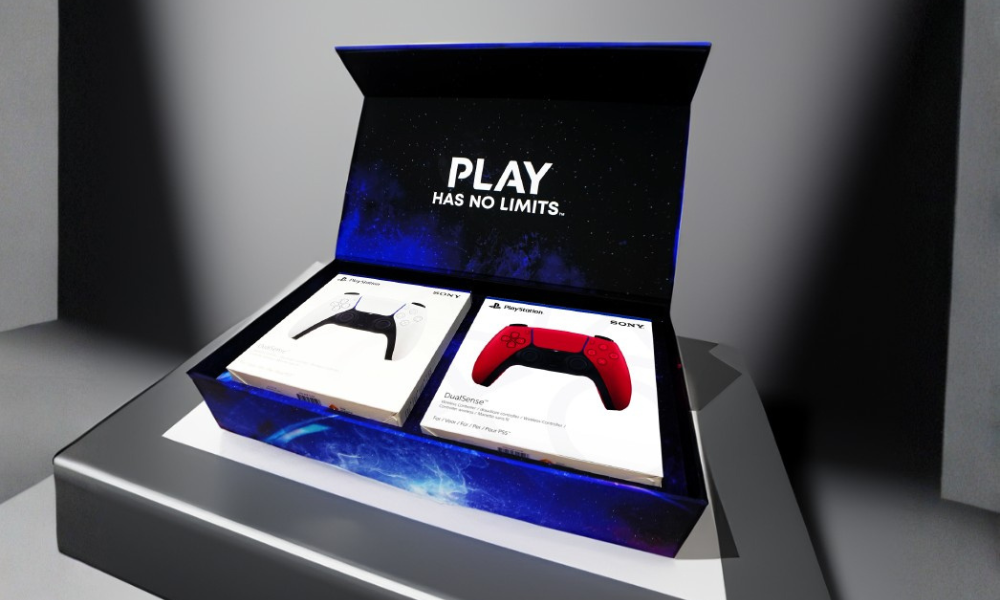
In 2026, most brand interactions begin on a screen — but they don’t end there. Customers scroll, click, research, and compare long before they ever receive a product, piece of merchandise, or branded item.
That means physical brand touchpoints now carry a new responsibility: they must live up to what customers have already seen online.
Designing for the Moment of Truth
The gap between expectation and reality has never been smaller — or more important. By the time a customer opens a package or receives branded merchandise, they already have a mental image of the brand.
In 2026, successful brands design physical touchpoints to:
- Match their digital tone and visual language
- Reinforce brand values communicated online
- Feel familiar, not surprising (in the wrong way)
When physical branding falls short, trust erodes instantly.
Why Visual Consistency Is No Longer Optional
Customers are highly attuned to inconsistencies. A polished Instagram presence paired with generic packaging or low-quality merchandise creates friction.
Consistency doesn’t mean repetition — it means alignment:
- Colours, typography, and tone translate across mediums
- Packaging, merchandise, and clothing feel part of the same system
- Digital storytelling continues seamlessly into physical form
In 2026, this level of cohesion signals professionalism and maturity.
Designing Beyond Aesthetics
While visual alignment is crucial, physical touchpoints also need to perform. Packaging must protect and present. Clothing must be wearable, not promotional. Merchandise must feel useful, not disposable.
The brands that succeed:
- Design for real-world use, not just photos
- Balance creativity with practicality
- Respect the customer’s space and standards
This is where many brands still fall down — designing for attention instead of experience.
Turning Touchpoints Into Brand Proof
Ultimately, physical brand touchpoints act as proof points. They confirm whether the brand customers see online is real, credible, and considered.
In 2026, every package, product, and piece of branded clothing answers a silent question:
Is this brand as good as it claims to be?
The brands that answer “yes” consistently are the ones that earn loyalty.
